Beauty Is in the Eye of the Beholder
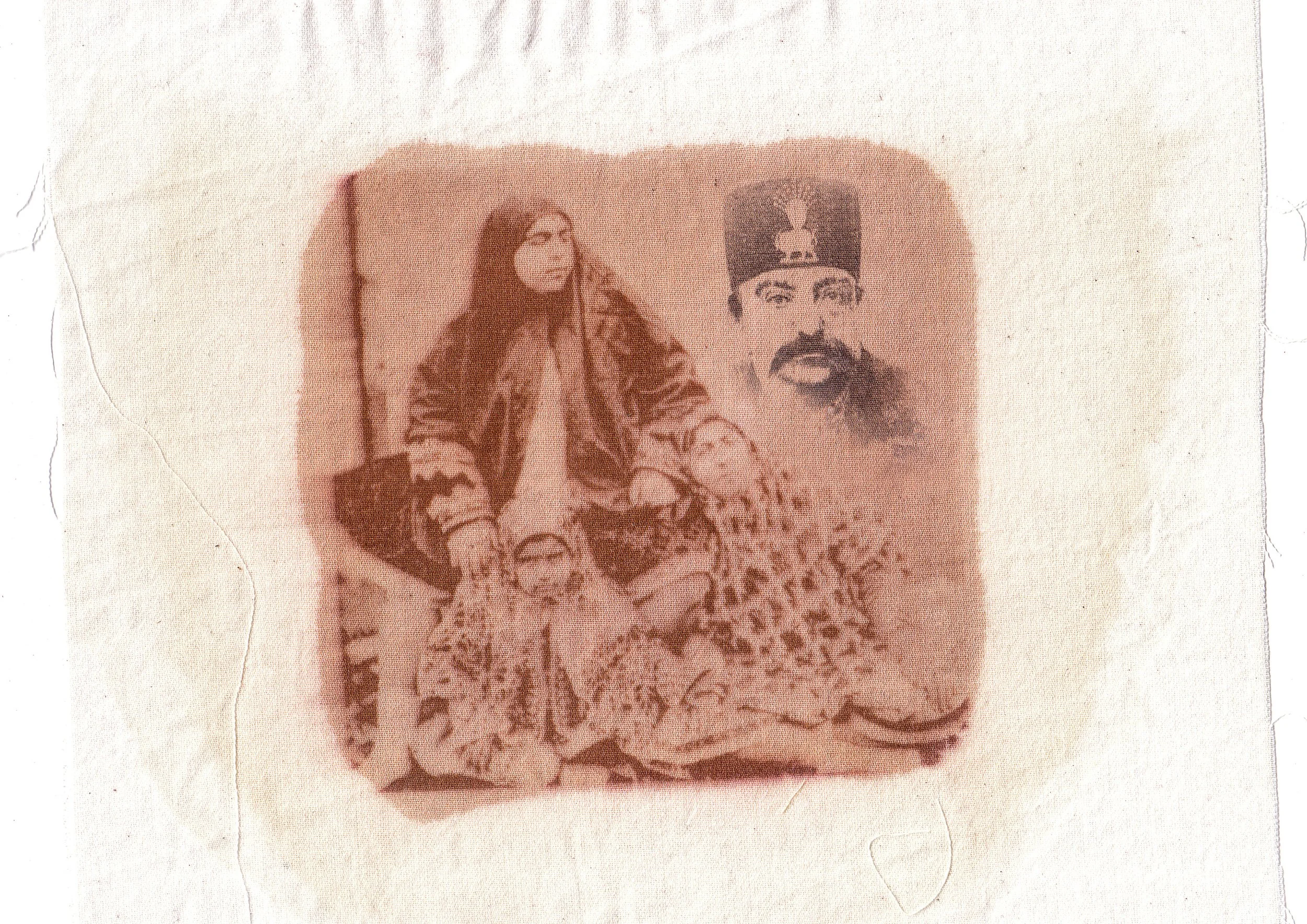
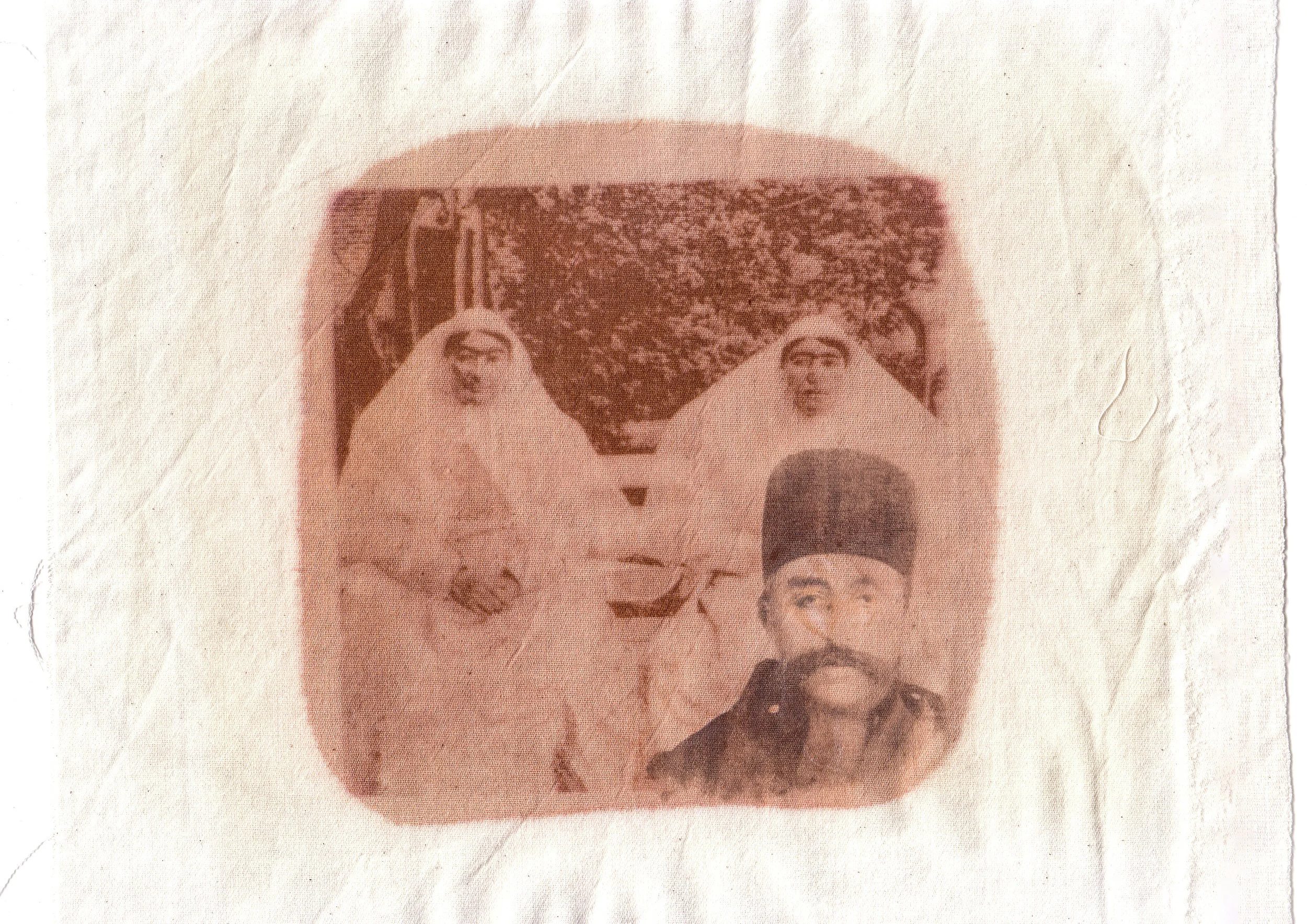
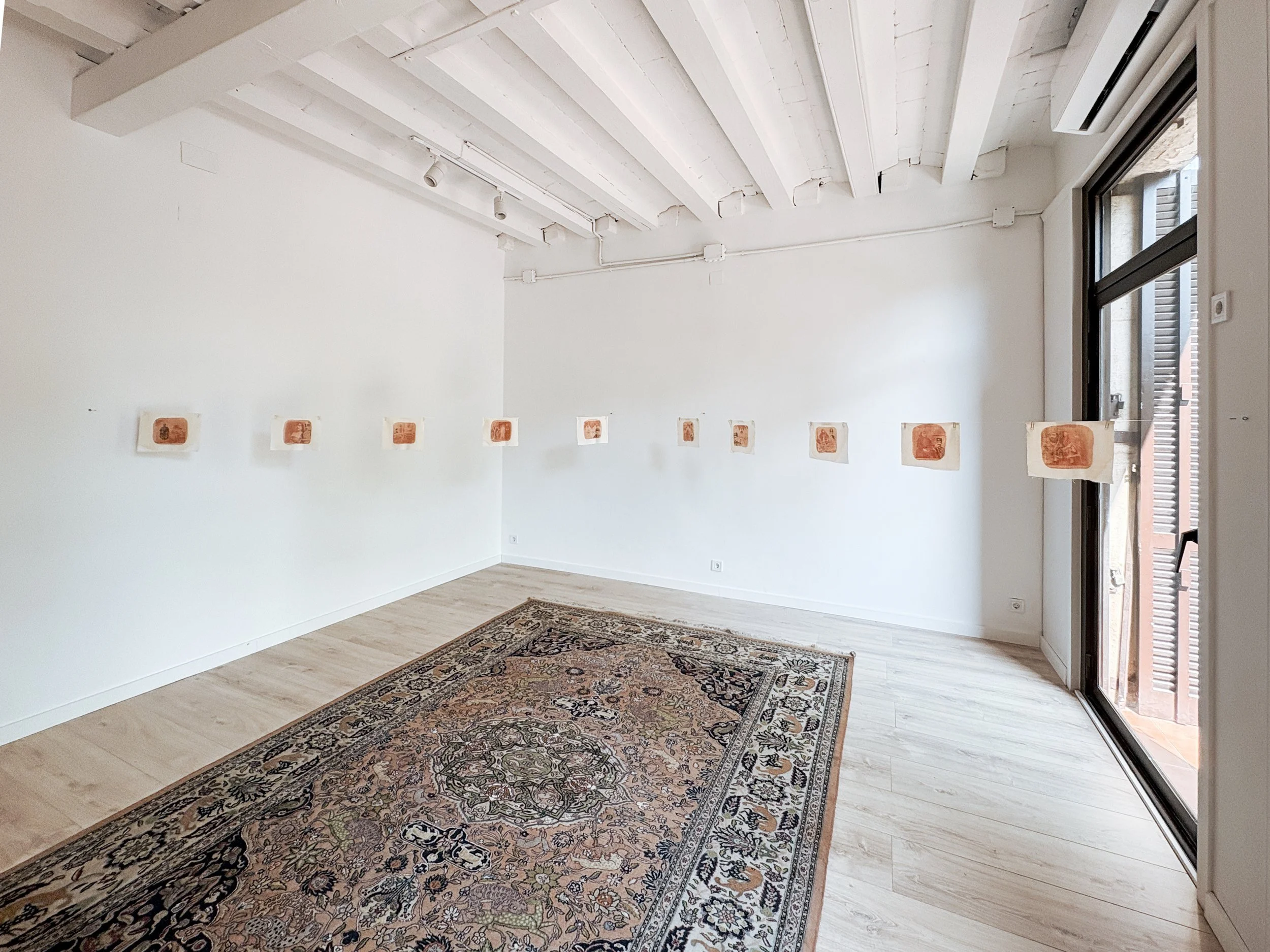
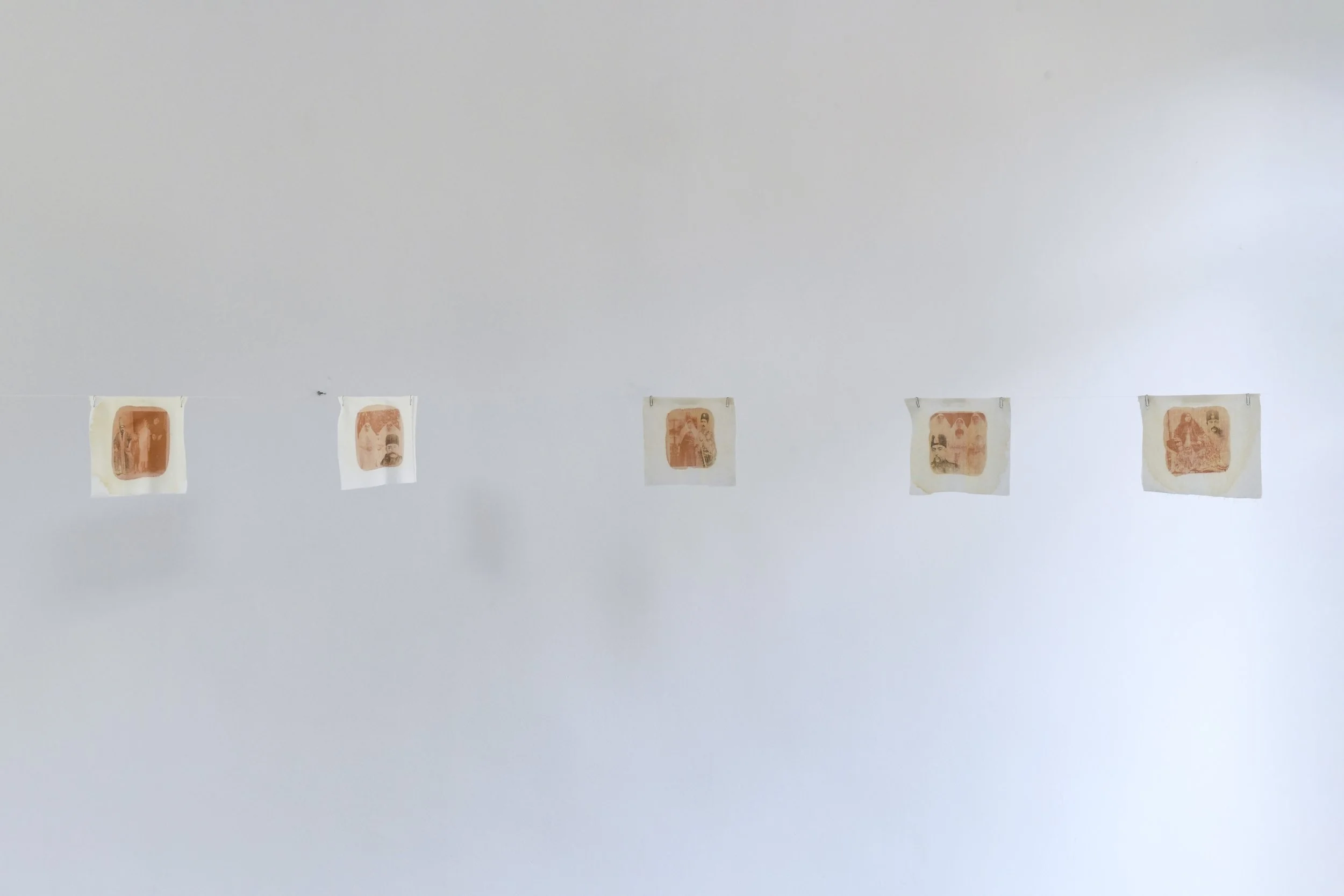
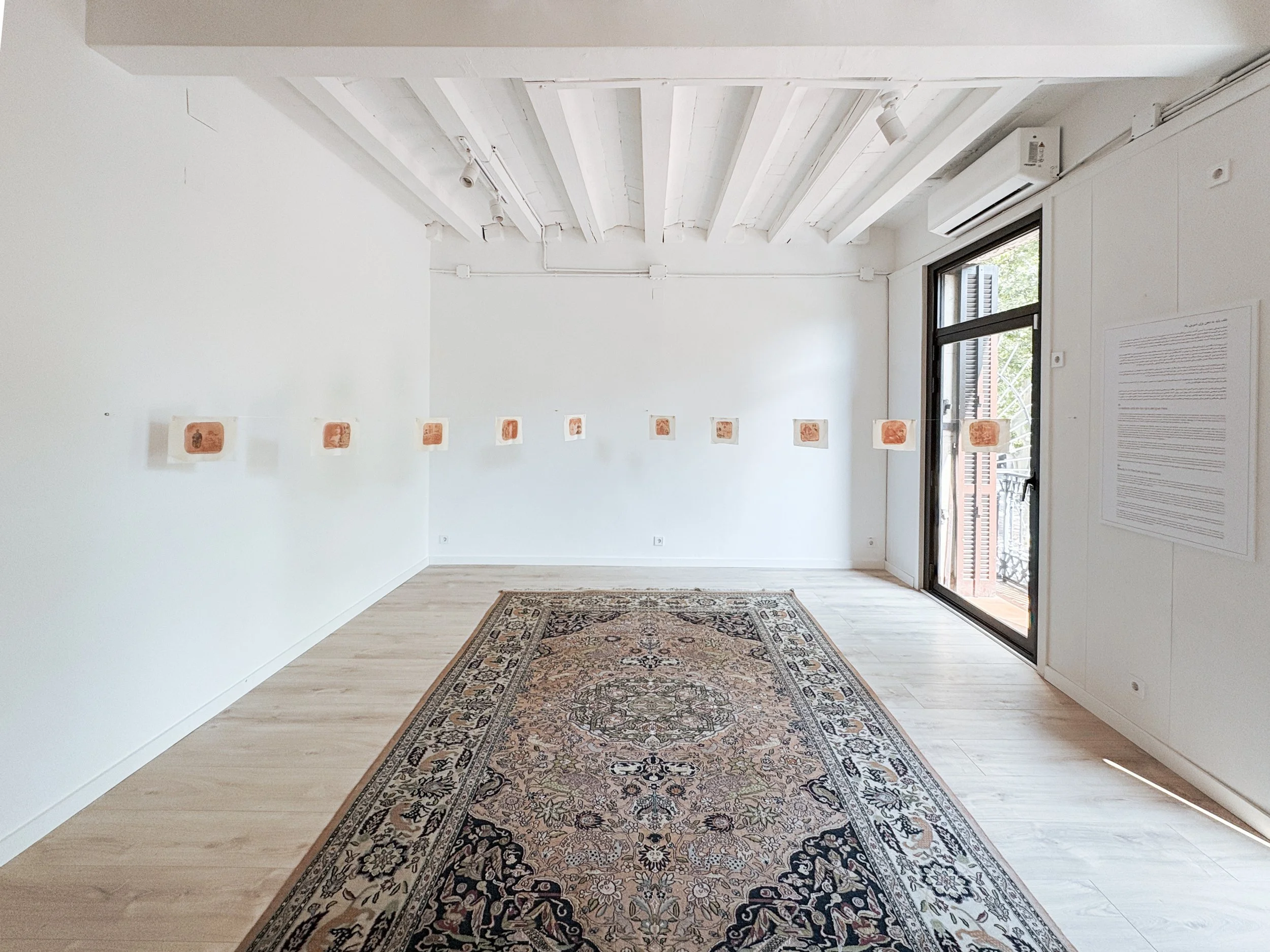
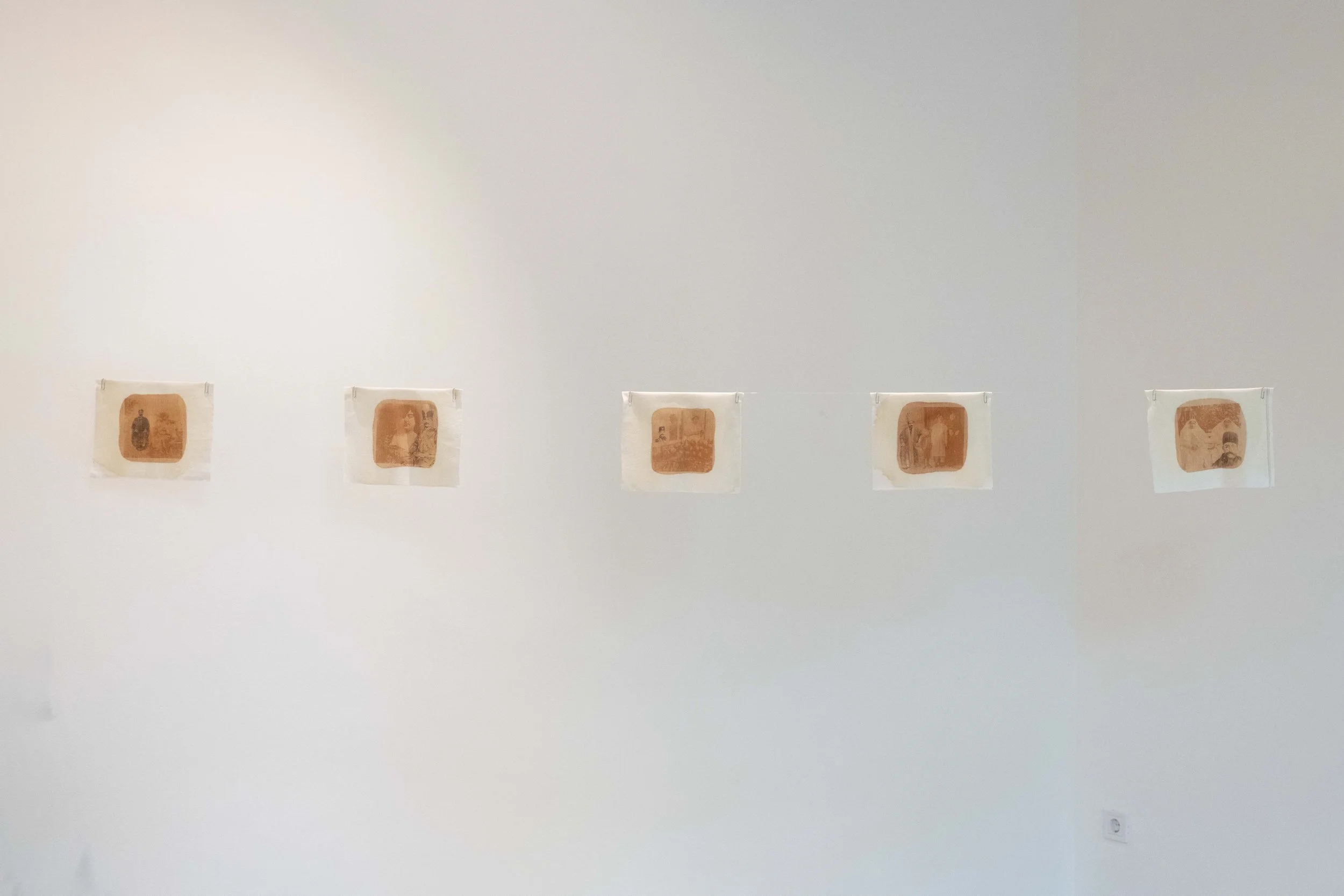
Photography first arrived in Iran during Naser al-Din Shah's reign because he was fascinated with this emerging art form. My project employs the Anthotype, one of the earliest photographic techniques, selected for its uniqueness, visual appeal, and distinctive colour palette. This work results from months of meticulous experimentation to perfect a specific formula, a process previously untried and undocumented, to achieve the intended effect in this distinctive medium.
This collection is named after the Persian proverb "علف باید به دهن بزی شیرین بیاد," which is similar to the English saying, "Beauty Is in the Eye of the Beholder," highlighting the subjectivity of beauty and affection.
The allure of a subject often drives us to capture its image. We take photographs of objects to preserve them forever, much like Naser al-Din Shah of Iran or his court photographers, who had direct orders from him to document the daily life of the royal family.
In this project, I offer a different perspective on beauty standards, one that may seem strange and illogical by today's norms, and at times, even a subject of mockery when reflecting on our ancestors' tastes. The fascination for me lies not only in the appearance of these historical figures but also in the context provided by the collection's title. The once-accepted beauty norms of the past, though surprising now, were the 'sweetness' that inspired this work. The original photographer or organiser of these images must have had a deep desire to see their beloved subjects captured, a sentiment I share as I aim to present this theme through a primitive and historical lens.
The idea that once something is deemed beautiful, it should never be dismissed as ugly is central to my belief. Beauty endures; it is our perceptions that change. In this series, I combine the official portrait of the king with images of his wives and children, using a blend of two printing techniques reminiscent of double exposure, to evoke their close familial bonds.